No. 43-B, Robertson Road (Haines Main Road), Near G.K. Vale Photo Studio, Frazer Town, Bengaluru 560005 +91 741 126 3871 / +91 804 978 6657
Book Appointment
Cochlear Implant Centre

Advanced Cochlear Implantation & Hearing Rehabilitation in Bangalore

When hearing aids are turned up as far as they'll go and speech still isn't clear, the next step isn't always more amplification, it's a different technology altogether. At Excell ENT Clinic, Frazer Town, Bengaluru, Dr. Suraj Pillai evaluates and manages cochlear implantation for children and adults with severe to profound hearing loss.

This is a dedicated neurotology field pairing precise ear surgery with structured, long-term hearing rehabilitation, not a one-time fix.
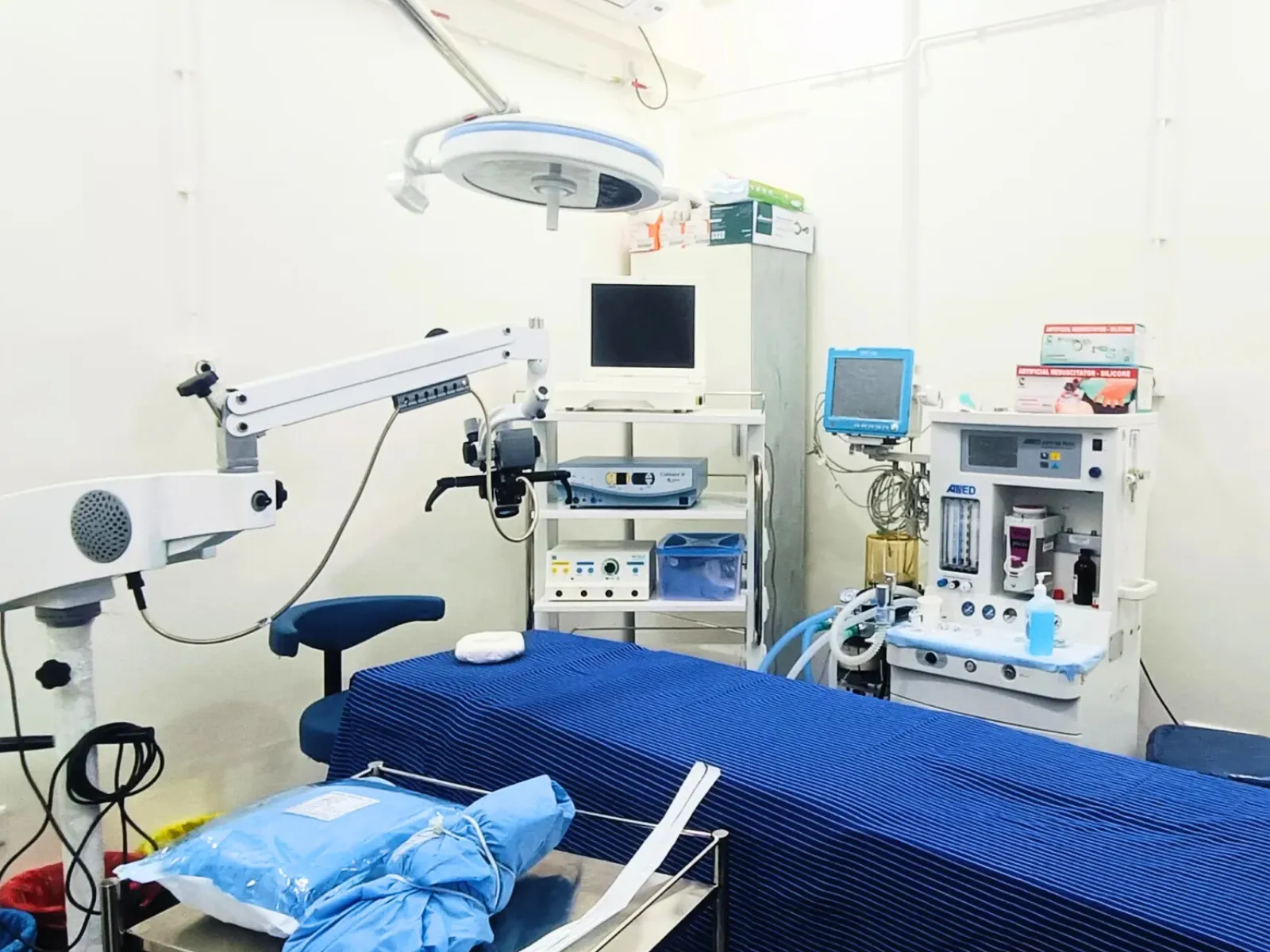
Cochlear implantation surgery at Excell ENT Clinic
Dr. Suraj Pillai
Neurotology & Skull Base Surgeon
What is a Cochlear Implant, Actually?

A cochlear implant is not a bigger hearing aid. Where a hearing aid amplifies sound through whatever natural hearing is left, a cochlear implant bypasses the damaged inner ear entirely, an implanted electrode array stimulates the hearing nerve directly, and the brain learns to interpret that signal as sound.

It's considered when severe to profound sensorineural hearing loss means hearing aids, even well-fitted and correctly adjusted, no longer provide enough clarity for speech and everyday sound.

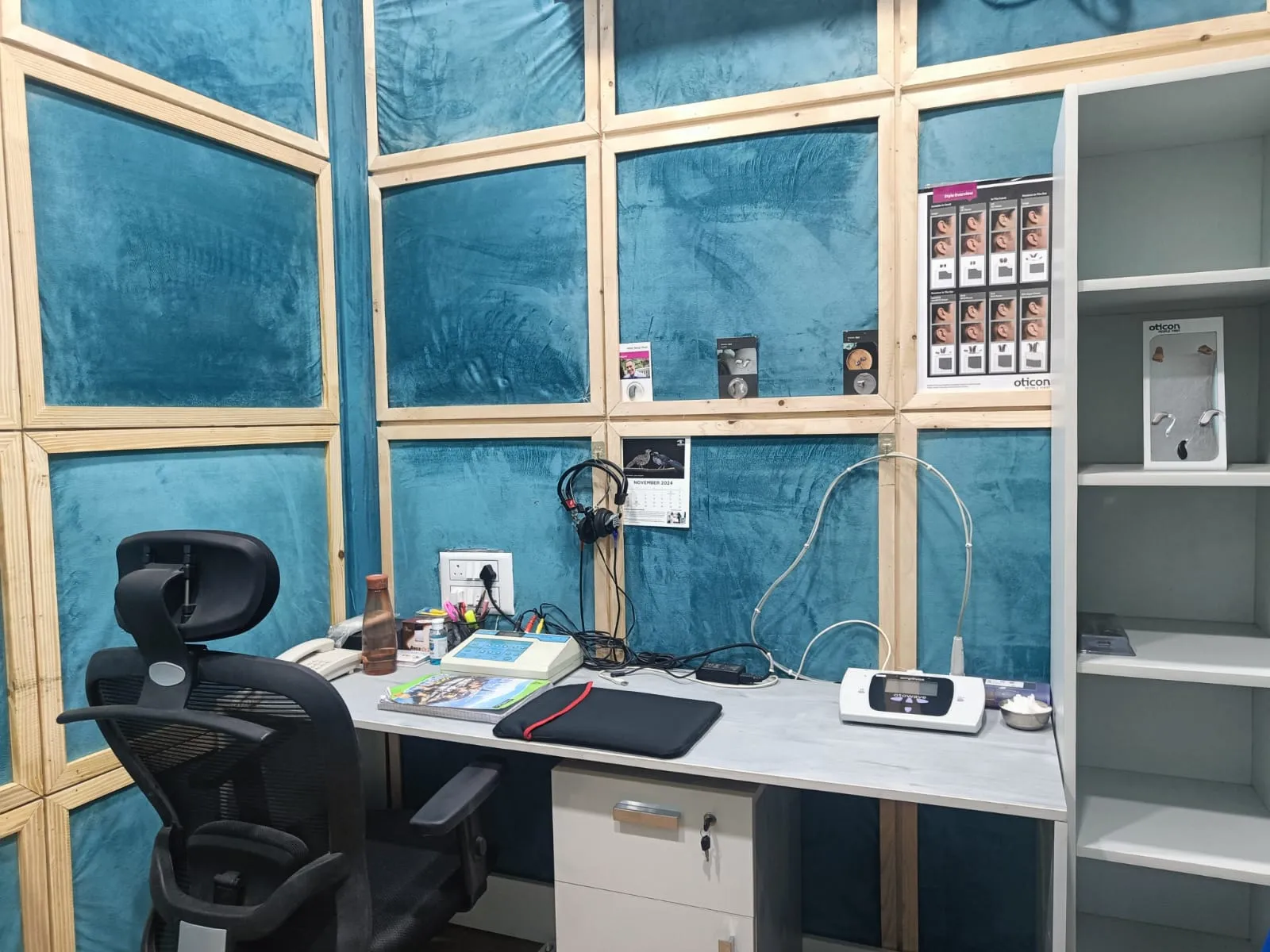
Audiological evaluation for cochlear implant candidacy at Excell ENT Clinic

How Cochlear Implantation Works

An external sound processor, worn behind the ear, picks up sound and converts it into a digital signal. That signal is sent across the skin to an internal receiver placed under the skin during surgery, which passes it on to an electrode array sitting inside the cochlea, stimulating the hearing nerve directly.

Dr. Suraj Pillai's training in Neurotology and Skull Base Surgery covers exactly this territory, precise, image-guided placement of the electrode array within the inner ear.

Common Patterns We See in the Clinic

Children with congenital profound hearing loss, picked up on a newborn hearing screen or flagged when speech isn't developing on schedule, make up one large group, where early evaluation directly affects how well spoken language develops. Adults with progressive age-related or genetic sensorineural loss, who've relied on hearing aids for years before they stopped being enough, are another.

A third pattern is sudden sensorineural hearing loss that doesn't recover with prompt medical treatment, where implantation is considered once other options are exhausted.

Benefits of Cochlear Implantation

For most recipients, speech understanding improves substantially, especially in quiet settings, with continued gains in noisier environments as the brain and the rehabilitation process catch up. For children implanted early, it opens a realistic path toward age-appropriate spoken language development alongside hearing peers.

Beyond speech, everyday sound awareness, safety cues like a car horn or a smoke alarm, and general quality of life all tend to improve, though the exact degree varies from person to person.

Who is This Suitable For?

Anyone, child or adult, with severe to profound sensorineural hearing loss in both ears who is getting limited benefit from well-fitted hearing aids after a genuine trial is a reasonable candidate for evaluation. This includes children not meeting speech and language milestones despite consistent hearing aid use.

Final candidacy isn't decided on a hunch, it follows detailed audiological testing and imaging of the inner ear and hearing nerve to confirm the implant will actually have something to stimulate.

About Dr. Suraj Pillai

Dr. Suraj Pillai
MS (ENT), DNB (ENT), PDF (Neurotology & Skull Base Surgery) — Gold Medalist, Post-Doctoral Fellowship

is a Consultant ENT, Neurotology & Skull Base Surgeon at Excell ENT Clinic, with advanced training from AIIMS Patna focused on complex disorders of the ear, hearing, balance and skull base.

His comprehensive ENT training combined with specialised neurotology and skull base surgery lets him manage cochlear implant candidates from both a surgical and a long-term hearing-outcomes perspective.

Treatment Cost in Bangalore

Cost depends on the device and brand selected, whether one or both ears are being implanted, and the extent of pre-surgical evaluation required. There is no single figure that applies to every case.

A realistic estimate is only possible once candidacy testing is complete and Dr. Suraj Pillai has reviewed your specific case.

Results Timeline

Surgery itself is typically a day or overnight stay, followed by a few weeks of healing before the external processor is fitted and switched on. From switch-on, most of the real progress happens over the following months, through programming adjustments and structured auditory-verbal rehabilitation.

Children generally need a longer, more intensive rehabilitation period to build spoken language, while adults with prior hearing experience often adapt somewhat faster, though both need consistent follow-up.

Safety and Side Effects

Cochlear implantation has a well-established safety record, with detailed imaging of the inner ear and hearing nerve done beforehand to confirm suitability and plan electrode placement precisely. As with any ear surgery, risks are discussed individually before proceeding.

Most recipients resume normal activity within a short period after surgery, with the rehabilitation phase being the longer, ongoing part of the process.

Why Choose Our Clinic in Bangalore

Cochlear implantation isn't routine ENT work, it's a dedicated neurotology field. Dr. Suraj Pillai trained specifically in Neurotology and Skull Base Surgery at AIIMS Patna, and candidacy evaluation, surgery and rehabilitation are coordinated under one roof at Excell ENT Clinic.

That means fewer handoffs between separate teams, and a hearing rehabilitation plan that's tracked by the same specialist who performed the surgery.

Cochlear Implant Versus Hearing Aid

A hearing aid amplifies sound and sends it through the ear's own natural pathway, which works well when there is still usable hearing to amplify. It does not require surgery, and it's the right starting point for mild to moderate hearing loss.

A cochlear implant is a different category of solution altogether, it bypasses the damaged inner ear and stimulates the hearing nerve directly through a surgically placed electrode array, which is why it can help when hearing aids no longer do, in severe to profound loss.

When to Consider This Treatment

Hearing aids turned up to their limit without giving clear speech understanding, a child not meeting speech and language milestones despite consistent aided use, or a sudden, unrecovered hearing loss are all reasons to get a candidacy evaluation rather than continue with a device that isn't working.

The earlier severe to profound hearing loss is properly evaluated, particularly in young children, the more options stay open for supporting spoken language development.

Frequently Asked Questions

A cochlear implant is a surgically placed electronic device that bypasses the damaged part of the inner ear and stimulates the hearing nerve directly, used for severe to profound hearing loss that hearing aids no longer help enough.

A hearing aid amplifies sound through the ear's own natural pathway, which helps when there is still usable hearing left. A cochlear implant bypasses the damaged inner ear altogether and sends sound signals straight to the hearing nerve, which is why it works when hearing aids no longer do.

Children and adults with severe to profound sensorineural hearing loss in both ears, who get limited benefit from well-fitted hearing aids after a proper trial, are potential candidates. Final candidacy is confirmed through detailed audiological testing and imaging.

The internal part of the implant is placed under the skin behind the ear and its electrode array is positioned inside the cochlea, under general anaesthesia. Most patients go home within a day or two.

Not immediately. The site needs a few weeks to heal before the external sound processor is fitted and switched on, generally around three to four weeks after surgery, followed by a programming and rehabilitation phase.

Cost depends on the device and brand chosen, whether one or both ears are implanted, and the pre-surgical workup required. An accurate estimate is only possible after a candidacy evaluation.

No. While early implantation in children with congenital hearing loss supports speech and language development, adults who lose hearing later in life, including after sudden sensorineural hearing loss, are also regularly evaluated and implanted.

Yes. The brain needs time to learn to interpret the new electrical signal as sound. Structured auditory-verbal therapy and periodic mapping sessions after switch-on make the difference between a device that is worn and one that is actually understood.

A Straightforward Word on Trust

Reaching the point where hearing aids aren't enough is unsettling, especially for a child's parent or a longtime hearing-aid user. At Excell ENT Clinic, the starting point is always a proper candidacy evaluation, not a device sale, so the recommendation actually fits your hearing, not a generic protocol.

If hearing aids have stopped giving you or your child clear speech, an evaluation with Dr. Suraj Pillai is the most direct way to find out what will actually help.

Book a Cochlear Implant Evaluation

Speak with Dr. Suraj Pillai at Excell ENT Clinic, Frazer Town, Bengaluru.

Related Services