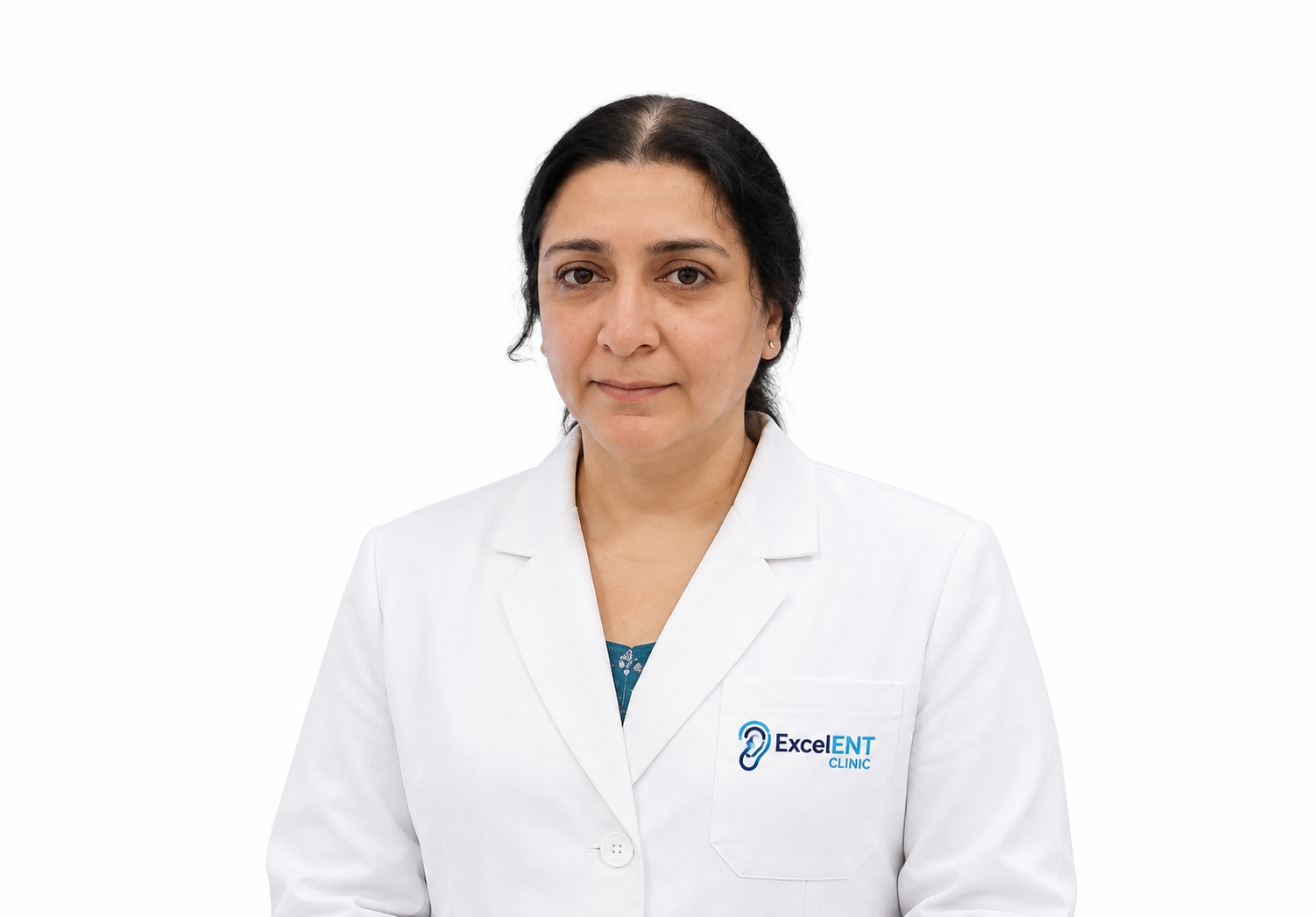
All Doctors
Nausheen Hussain
Therapist — Child & Family Mental Health
Double Masters, MPhil & PhD in Psychology
15+ Years Experience
Counselling & Family Therapy
Nausheen Hussain has a double Masters degree — one in Child Mental Health and the other in Counselling and Family Therapy. She has completed her MPhil and PhD in Psychology from Jain University, Bangalore. She is a registered RCI professional (DSE – ASD) with fifteen-plus years of experience working with children and adults.
She believes in providing an empathetic, safe and non-judgemental space to her clients, and regards her profession as an opportunity to serve people and help them transcend or overcome their challenges. Her theoretical orientation is primarily client-centred; however, she is eclectic in her approach and often integrates other models of therapy such as Cognitive Behavioural Therapy, Solution-Focused Therapy, Mindfulness-Based Therapy, Emotion-Focused Therapy and Acceptance and Commitment Therapy.
She works primarily with children, individuals and families on a broad range of mental health issues.
She offers services to identify and manage various concerns among children and adults, including:
She is a Consultant at Spastics Society of Karnataka, offering psycho-educational and developmental assessments to children, and has been Faculty for RCI-recognised D.Ed courses (Diploma in Special Education) for the past ten years.
Individual counselling or therapy is carried out primarily with the client seeking help. The therapy sessions involve the client and the therapist meeting one-on-one to work collaboratively towards goals such as:
Marital and couples therapy treats couples (married or otherwise) who are struggling in their relationship and wish to improve it or seek resolution of conflicts. Common reasons for seeking couples' therapy:
Family therapy helps to improve troubled relationships with couples, children or other family members — specific issues such as marital or financial problems, conflict between parents and children, or the impact of substance abuse or a mental illness present in one or more members that is impacting the entire family.
Group therapy is a form of psychotherapy that involves working with a group of individuals who are seeking help for similar issues or coping with similar difficulties. This is achieved by providing psycho-education and improving knowledge about mental health and mental illness, and at times by skill-building and behaviour modification through the group meetings.
Psychological tests and assessments are important tools for screening behavioural, learning and developmental issues. It enables the psychologist to plan and execute intervention in a methodological and systematic fashion. She offers various assessments of development and functioning, including:
School-based sensitisation programs help reduce the likelihood of developing difficulties later in adolescence and adulthood, and can also be protective against risk factors: